

For this month’s SCoRE External Advisory Council member profile, we are thrilled to share an interview with Diamond Spratling. Diamond is the founder and executive director of Girl Plus Environment (GPE), a national nonprofit building the next generation of Black and brown women and femmes who lead environmental justice work. Her expertise sits at the intersection of environment, public health, and spatial analysis (GIS), and she also runs Colbi Collab, a GIS firm. From her Detroit roots to Emory’s Master of Public Health program, the CDC, equity mapping for the City of Atlanta, and now her leadership of GPE, Diamond has built a career that spans sectors, all focused on impact. We discussed that journey, how she brings data and storytelling together, what’s next for GPE, and more below.
Jennifer Hirsch (JH): Diamond, I’m so excited to be interviewing you! You’ve had a career spanning many sectors. Can you walk me through your path?
Diamond Spratling (DS): I’ll start with college, where I studied environmental policy. I thought I had an internship lined up at the White House Council on Environmental Quality, but I wasn’t selected in the final round - and I was heartbroken. It ended up happening according to plan: I interned at the West Michigan Environmental Action Council, where my mentor, Anne Marie, introduced me to the intersection of air pollution and health. A kid with asthma who lives near an incinerator misses school, a parent misses work, and there’s less food on the table. Growing up in Detroit, all the kids had asthma. It was so normalized. That’s when I started to realize this was about the environment, but also health and economic justice. So I went on to Emory’s Master of Public Health program.
While at Emory, I worked at the CDC and took classes at Georgia Tech, because I love GIS and spatial analysis. My thesis led to a role with Bloomberg Associates, where I helped the City of Atlanta build an equity data tool to guide funding decisions for neighborhoods and parks. GreenLink Analytics then asked me to manage their tools and help other cities. All along, I had started Girl Plus Environment in my first year of grad school, because I wasn’t seeing enough people who looked like me in climate conversations. I kept doing it on the side until, after a stint at the Climate Advocacy Lab teaching doctors and nurses to communicate about climate, I could go full time. Now I run a team doing environmental justice work.
JH: How did growing up in Detroit shape the work you do?
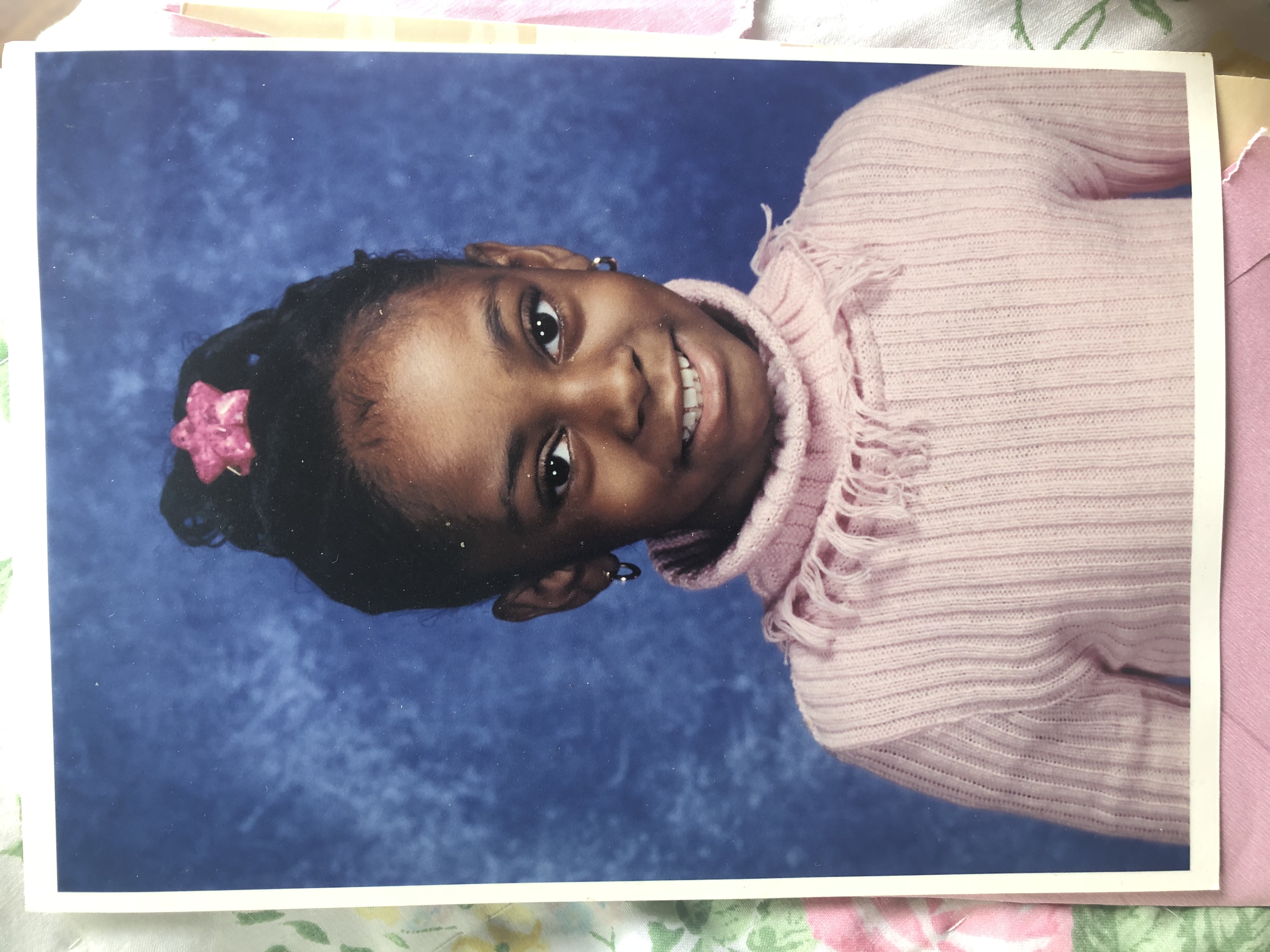
DS: Winters were so brutal that in the summer you were outside all day, and that was my first love of being outdoors. When I was 15, my dad’s catering business took off and we moved to a suburb. I noticed how different my old neighborhood looked from one just a few miles away, and I think that’s behind my interest in urban planning and GIS, because your life expectancy can change just by being a few miles away. I also remember posting on Facebook that we needed to care about the environment, and almost no one engaged. I didn’t understand then that my community was dealing with so much that they didn’t have capacity for another issue harming us. So at GPE, I want to create culturally relevant education so my cousins on the east side of Detroit feel comfortable liking, reposting, and sharing. They’re who I’m doing this for, and they’re always in the back of my mind as I advocate for safer communities.
JH: How do you combine qualitative stories with quantitative data?
DS: We need more of both, because each only tells part of the story. For the City of Atlanta tool, we had census data, but we also did roughly 13,000 community surveys asking how people feel about their parks and what feels safe. At GPE, stories are what really stick. I even taught a class on storytelling in my climate and health course. I also have a GIS firm, Colbi Collab, which grew out of the Atlanta work, and ideally I’d bring it into GPE someday to do more of this integration.
JH: What are you most excited about right now?
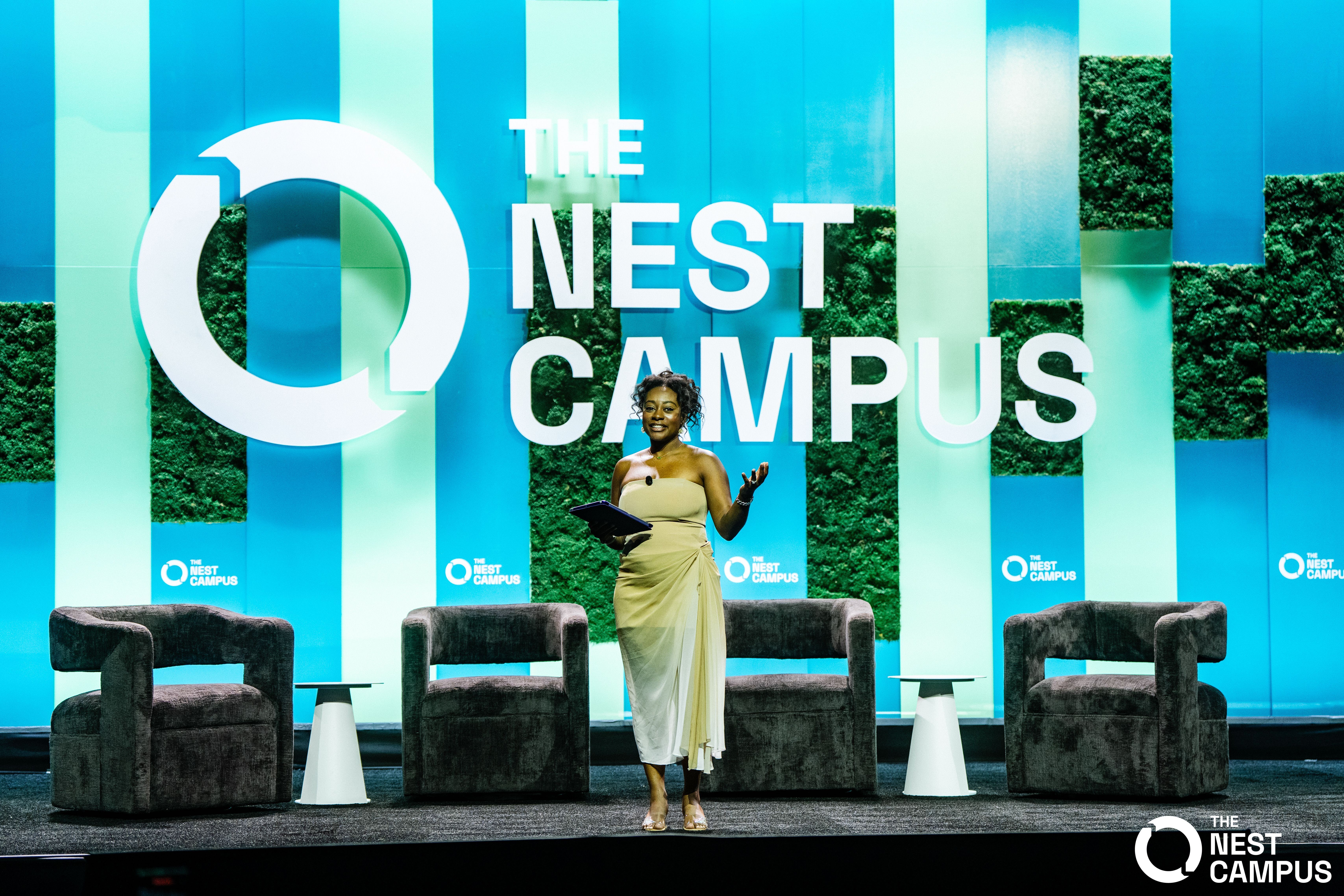
DS: GPE was created to build the next generation of Black and brown women and femmes who can take over this work, so it doesn’t always have to be me. Our Girlies Green Fund just closed applications, and it’s the first time we’ve redistributed funds to projects here in Georgia. You can host all the webinars you want, but you have to put your money where your mouth is. We’re also launching university chapters, starting with HBCUs, to train and fund campus ambassadors for environmental justice.
JH: How did you get connected with SCoRE, and why did you say yes to the EAC?
DS: It was through RCE Greater Atlanta, after Anna Tinoco-Santiago, SCoRE’s Community Engagement Manager, saw our work and invited me to a meeting. Higher education partners have resources and connections that a smaller organization like ours doesn’t always have, and the other EAC members are great. I hesitated at first because I wanted to be sure I had the capacity, but I felt called to build a stronger relationship with SCoRE and Georgia Tech. It feels mutually beneficial, especially since many GPE members are university students. And then, as you know, once you’re part of SCoRE, you’re always part of SCoRE.
JH: What have you contributed to the EAC, and what have you learned?
DS: Some of our GPE fellows were able to intern through the Southeast Community Energy Futures Project project, and one told us it changed her career trajectory. That also connected me with Dr. Beverly Scott [a partner from Mobile, AL], and we’ve had many meetings. I helped plan the 10-year anniversary party, too, and I’ve loved seeing how you work from the academic side, like revamping the Community Connect hub.
JH: Is there a book you’d recommend?
DS: Because of my Virgo tendencies, most of my books are self-help. I love John C. Maxwell’s Today Matters. My favorite quote is “Do something today that your future self will thank you for tomorrow.” I’m also trying to lean into flexibility, because it’s okay to have days where you don’t do anything.
JH: What advice would you give a young professional following a similar path?
DS: Don’t get caught up in what everyone else is doing. At Emory, everyone was doing research, but I wanted to do implementation and start my own nonprofit, so I took classes at Georgia Tech and in the business school. Follow your own path.
JH: How do you bring fun into your work?
DS: I’m still learning! I love to travel. On a recent trip to the south of France, I spent one day playing tennis, another learning to bake croissants, and another painting, all things I enjoyed before I started the nonprofit.
JH: I love that. I’m trying to do the same, and I just signed up for a group guitar class myself! Finally, what do you want readers of any age to take away?
DS: That they can do anything they put their minds to. Your path is your path. I did a lot of things leading up to running Girl Plus Environment, but I never let go of that dream, and I want people to keep following theirs, whatever it may be.
JH: Thank you so much, for this interview and all you do!