
At the beginning of 2024, SCoRE launched its External Advisory Council(EAC) - a group of key partners with deep expertise in sustainability, innovation, and community engagement. As part of our ongoing series, we’re featuring interviews with our EAC members in the SCoRE newsletter. This month, we’re delighted to share a conversation between EAC member Mersie Watkins and SCoRE's Associate Director, Ruthie Yow. Below, Mersie describes her aspirations, her accomplishments, and how the people and places of her hometown of Duck Hill, Mississippi have shaped her path.
Tell us about yourself and where you come from.
I’m from Duck Hill – a very small town, an hour and half from both Jackson and Memphis. I think my small town upbringing has shaped me into the person I am now. I knew all my neighbors and they all knew me. It was a time to be alive for sure. I went to Alcorn University for my undergrad – in Biology. I initially started in Physical Therapy but after my second year I decided I wanted to do community work on a broader level. After I graduated from Alcorn I started working for SCoRE.
What really shaped you during your college experience?
One of my turning points was when I worked for Highlander in 2023. It opened my eyes to all the issues that were unfolding and all the puddles we dabbed our feet in. There were so many challenges they supported in a very “community” way. It broadened my perspective and showed me how what I was doing played a part. After that I was much more open to doing work in environmental justice and sustainability.
Could you share about your time with Mississippi Citizens United for Prosperity (MCUP)?
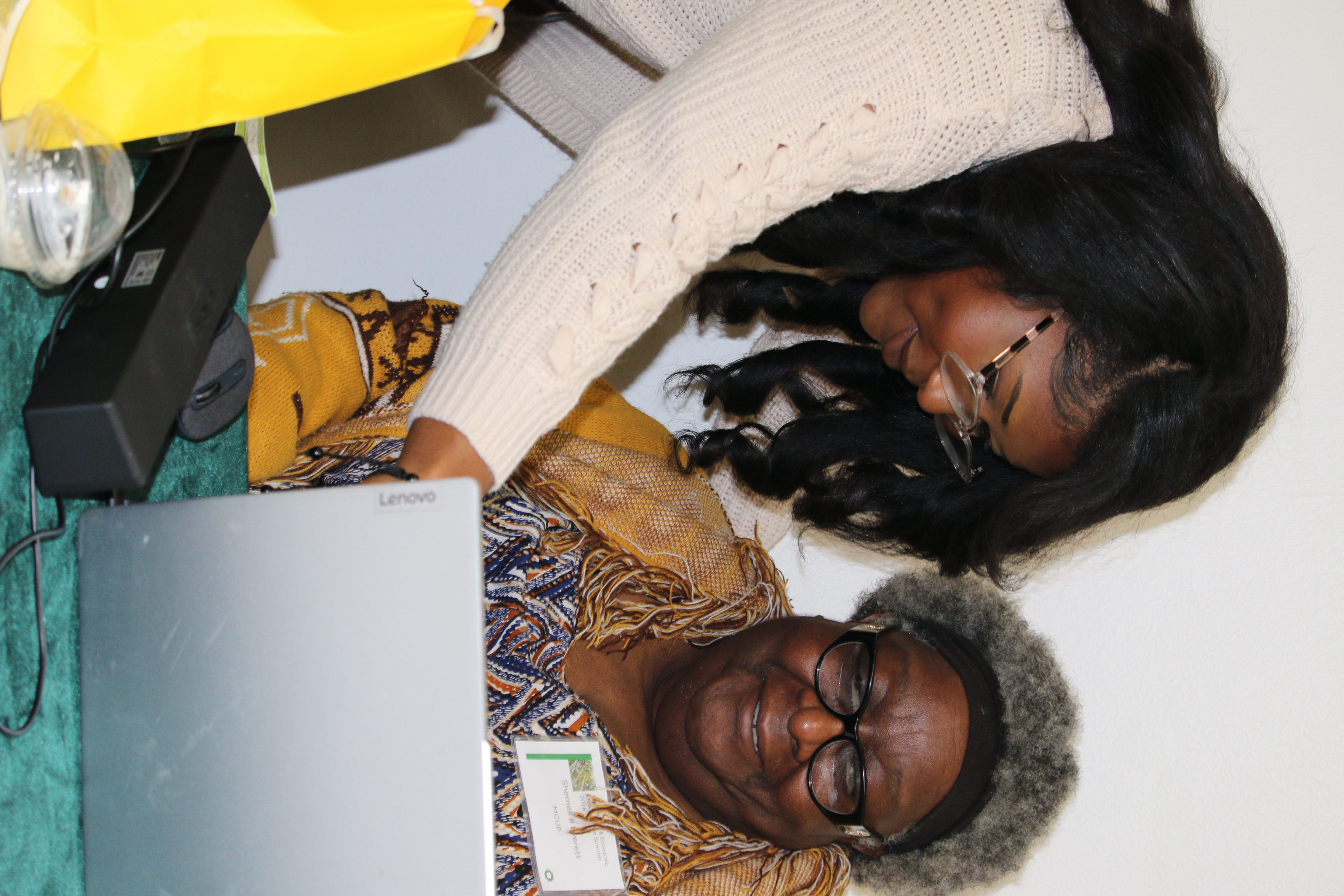
I’ve been working with MCUP since I was 12 years old! I started when they launched their Healthy Food Healthy Places Initiative, partnering with the EPA on flooding and other issues. That was my first experience of how change happens because of community organizations. We started with a youth program called Creek Rangers – our job was to learn about the environment and work in a greenspace across from our church to mitigate flooding. I learned about plants that suit the environment and prevent flooding; I had been shown that [in a classroom setting], but this was my chance to put it into practice. I was much more aware of what we did that impacted the environment. In Creek Rangers, I grew up: I grew my knowledge about the earth. I went to my first conference with MCUP when I was thirteen - the National Adaptation Forum in Wisconsin. My mentor and MCUP’s founder Ms. Romona [Williams] said to me, “you know what you’re talking about. You’ve done the work. This is your first of many conferences. No one knows your work better that you.” We presented on flood management and green and gray infrastructure we were implementing. To this day, everything we did still works! It no longer floods the way it did! Being an adult and looking back on that work is like, ahhhhhh.
Who have your influences and mentors been?
My grandparents are an amazing duo. My grandma gets all the credit, but my grandfather was the pastor of my church. He taught me the art of hushing. [Laughs.] They always made me feel so loved and in control of my life. They have never tried to force me down a certain path. They never doubted my decisions. I will always be grateful for that support from them through every life-changing event. Now, it’s true that my grandfather keeps telling the whole congregation that I’m getting my PhD, so I’ve got to finish it.
My grandmother is the reason I started to do work with MCUP in the first place. If she hadn’t dragged me to MCUP I probably would never have thought about environmental justice. I’d be lifting up people’s legs right now to reduce inflammation! She shows people how to make it without a lot. She’s the true definition of Asset Based Community Development. We grew up really community-oriented. If you needed some sugar, go to my auntie. If somebody died, go to my grandmother to make you a dish. I grew up seeing how intentional people were when it came to community and the effects that had. My grandmother is an alderwoman now and she is talking me through the ropes when it comes to politics. She is showing me the importance of the local legislature – they still have to go out and do community work. She still cares for the people on the corner and feeds people. She is the definition of a community-based leader.
Ms. Romona [Williams] in MCUP has also taught me so much. She has shown me what is required to thrive – for example, the art of listening. Listening to understand. I don’t agree with everything she says, but if I listen to understand, it allows me to alter my perspective so we can all move in a more positive direction, not listening to react or defend yourself.
How have these experience and influences shaped what you want to do and be?
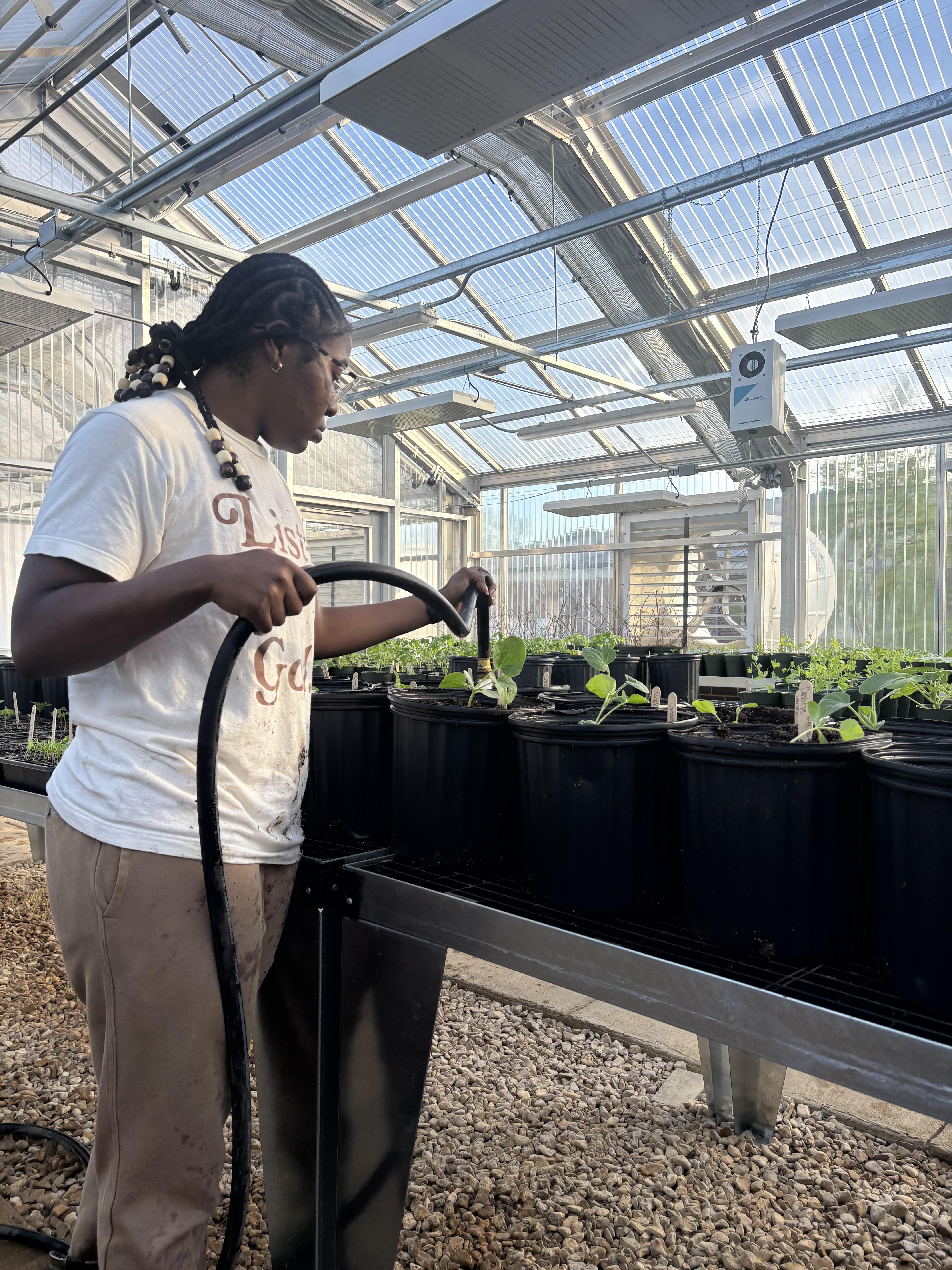
I want to learn. My ultimate goal is to develop into a woman who is an asset to my community. My goal is to come back to Duck Hill and do community work, and work with youth, and show the world how communities can come together to sustain themselves. Duck Hill is a place like no other. I want everyone to see it in the full beauty that it is. That can’t be duplicated.
If I was in Duck Hill with you, where would you take me first?
I would take you to the Binford Building. That’s the perfect location for you to understand the joy and history of Duck Hill – what it has been and what it could be. If you stand in front of it – you can see so much of the town. Right across the street is my church. My aunt started her feeding program there. That’s how we grew bonds as kids. Not sitting in front of an i-pad! My aunt would get sponsorships but sometimes that food would just come from the community. That’s the trend of my [grandmother’s work], too; she did the same thing in this year’s winter storm when she opened a warming center. My uncle has a small-town restaurant and he would cook. We would take care of each other.
Why is getting a PhD an important step in terms of the ambitions you shared above?
I’m in an environmental science PhD program. It is a pivot to listen to understand in order to teach someone else. That’s been a difficult journey for me! I have to look between the lines that aren’t even there. I’ve grown so much over the past 2 semesters. At the end of the day, we are all doctors of our own thing! There will always be something we are more knowledgeable about than the next person; we need to know we all have something to offer. We are all still just learning.
My little cousin didn’t want to go to college. When I was in undergrad, I said, it’s so fun! You should do it! And now, my cousin is like, oh I’m going to get my doctorate too. So I’m like, okay, I can’t let my cousin think this is too hard or she won’t do it! That’s been the joy of this journey. People think that PhDs are unachievable – but that’s just about mindset. It’s a part of my journey to show youth, especially underrepresented black children, that the opportunity is there and you have to take it.
How have you found being on the EAC?
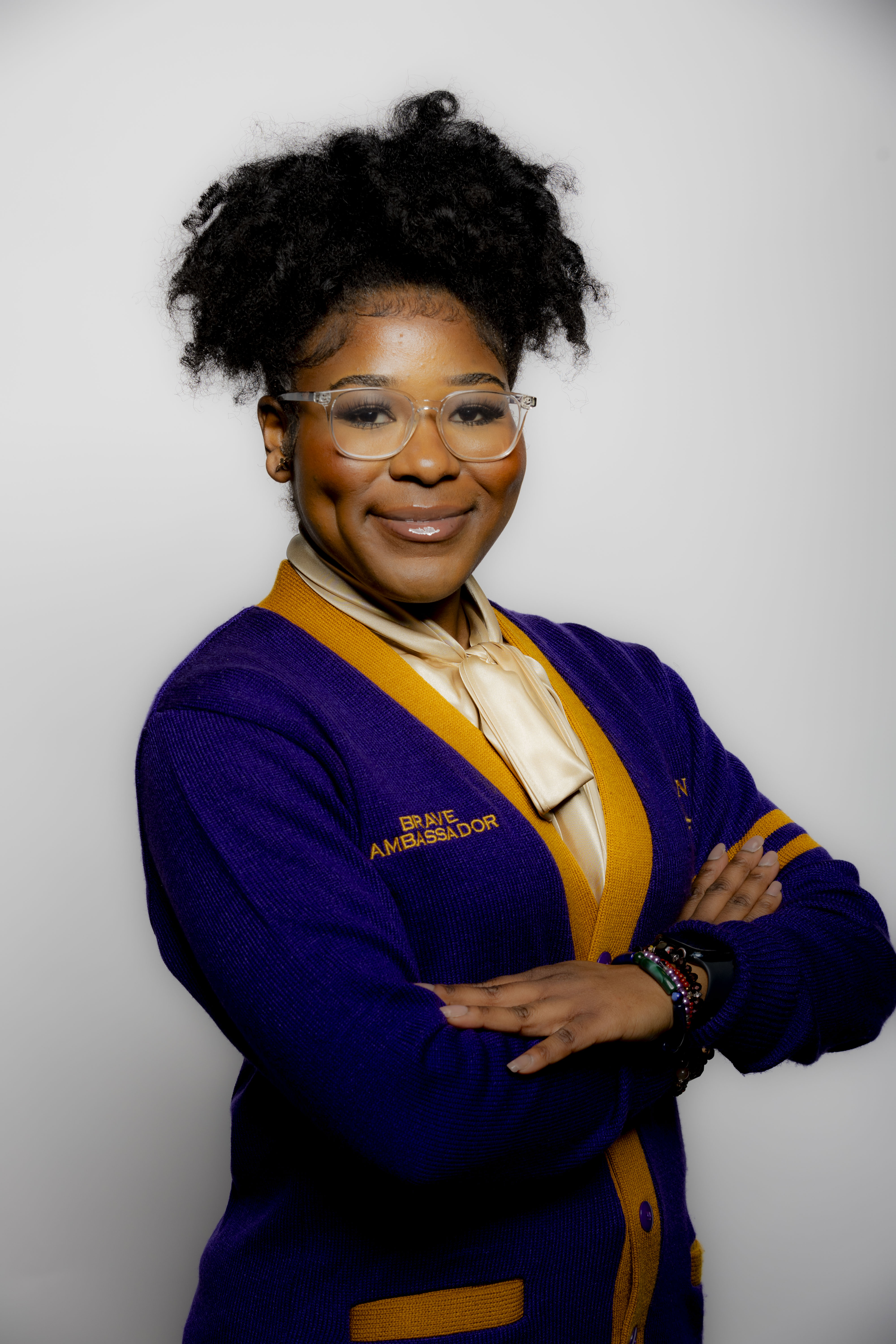
It’s been such an eye-opening experience to be among individuals finding connections between community involvement, sustainability, and the environment. We talk things through and gain inspiration from each other. I have gained such inspiration from [fellow EAC Member] Alicia [Scott]. She always reminds me of why I have to finish my PhD program! It has given me so much accountability. Although – as they remind me – it's hard for a reason, I wouldn’t trade it! Our conversations challenge my way of thinking. I have been led to alter my thinking due to the perspectives of the other members and what they have gone through.
What do you think you uniquely bring?
I think I approach things a little differently than other people in the group. I also bring a rural perspective. I think my being the youngest person on the council creates dimension – it gives me room to grow and gives folks opportunity to grow due to my outlook. My age adds a layer of technology use – the younger generation – my generation – we don’t use technology the way previous generations did. I think that’s a necessary perspective – outreach to young people is critical. If you don’t hear folks’ voices, you can’t even figure out who you are missing.
I heard that the mayor of Atlanta said sustainability is a team effort. I think that’s important! One group of people won’t make the change that is necessary that will allow this planet to be habitable over the years and decades – it's important that we connect to youth while they are open to learning things, open to being taught. Once you get older you don’t want to hear all of that! If we don’t reach out to everyone, who would carry on what we are trying to sustain?
What is your wisdom for current high schoolers? What are your hopes for them?
My hope is that growing individuals understand their importance and command of space on earth. It’s so important that we do our part. No matter how different that looks. Your purpose will come to you more clearly if you consider your path, your walk. The planet will keep going in its rotation. The matter of it all is to find out where we belong in that orbit – command our space and take it on. Every action has an equal reaction. This goes further than physics. Whether today or 100 years from now, it will come back around.
Is there anything you want to leave us with?
My work is continuing as long as I have breath in my body. You have time to rest when you’re dead!