Written by Ella Baker and Nikita Takalkar
“Farming, in some kind of way, is like an art. You can communicate through the action of what you’re doing, and it can transcend language,” Kertiss B., Event and Engagement manager at the Global Growers Network, explained, as we interviewed him about growing sweet potatoes. As we spoke to more growers through the network, and attended the Global Growers’ Fall Fest, we began to see these words come to life – there was a connection among hands in the soil, plates passed between hands, smiling faces with full bellies – a shared joy that didn’t need any words or explanation.
In September, we, as GT students, had the pleasure of participating in a collaborative project with the Global Growers Network (GGN), compiling food stories of farmers from around the world, all centered on a well-loved crop: the sweet potato. Global Growers is a local non-profit comprising a network of more than 200 farmers representing diverse agricultural traditions. GGN focuses on uplifting agricultural traditions, heritage and cultural foodways, supporting farmers and families from many different backgrounds.
Our project team, advised by Dr. Nicole Kennard at the Brook Byers Institute for Sustainable Systems, consisted of four students who lead the Urban Agriculture student group at Georgia Tech: Isabella Baker, Nikita Takalkar, Dalya Dunoff, and Elaina Render. Throughout the duration of the project, we interviewed four farmers with backgrounds from across the world, including Gullah-Geechee, Nepalese, and Japanese roots. During each interview, we heard stories of culinary heritage, land stewardship, and agricultural traditions that span generations. We asked each interviewee to describe their associations with sweet potatoes and their favorite recipe featuring the crop.
We learned that the sweet potato is a widely cherished crop and symbol of resilience and ancestral connection. Sweet potatoes hold significance in foodways around the globe and remain central to seasonal harvests and multi-generational recipes. In one interview, GGN Program Manager, Demetro Stephens, described his upbringing growing and harvesting sweet potatoes and yams. As he shared his grandmother’s sweet potato pie recipe, a staple at family gatherings, Demetro reminisced about the warm scent of cinnamon and nutmeg and the laughter that filled the room as his family enjoyed the dish. Demetro spoke of how the taste and scent of this dish invoked the feeling of being in communion with family, a sense of “being at home.” He spoke about “cooking as an act of love,” and how growing and sharing food intimately connects communities today to past generations. Demetro highlighted the deep history of the sweet potato, one that symbolizes the resilience of African Americans throughout history and highlights how the cultivation of sweet potatoes and yams reflects the ability of displaced communities to adapt and thrive on new lands.
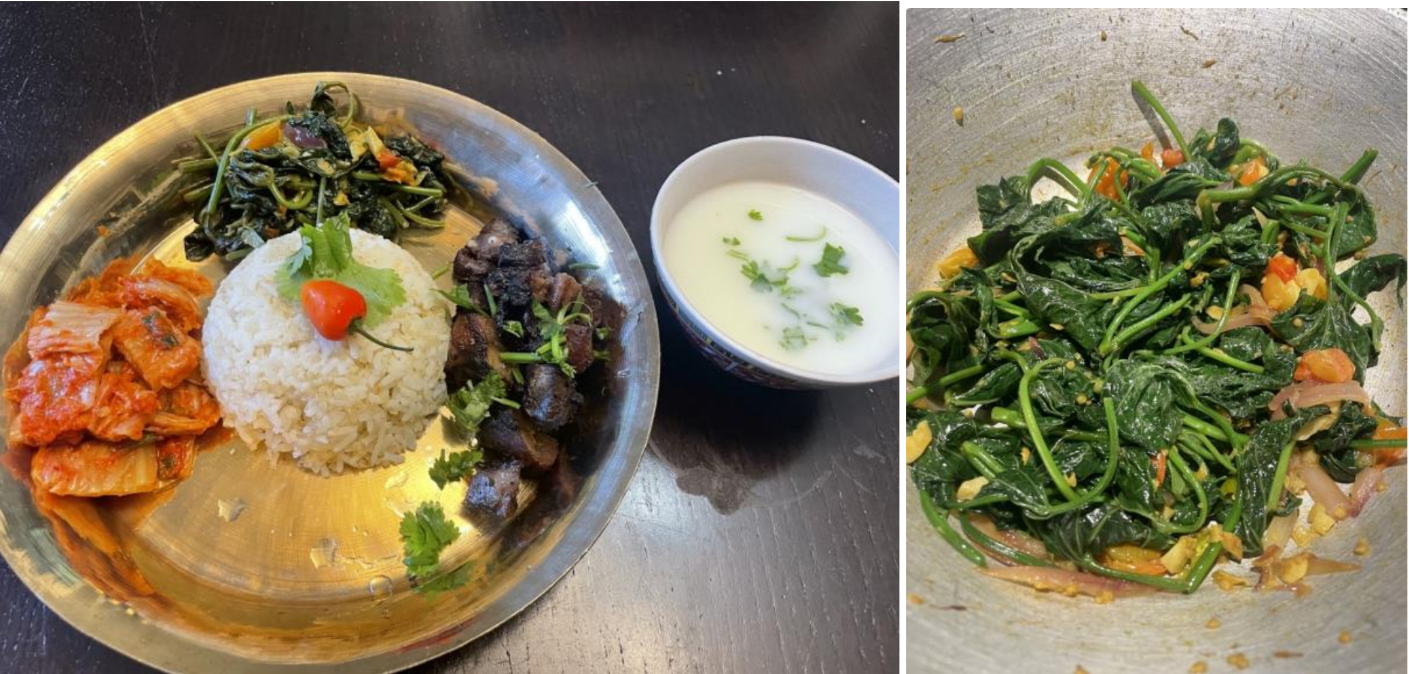
In another interview, Leela Basnet describes her Sweet Potato Shoot Curry, demonstrating how the entire sweet potato plant, including the leaves, can be utilized for consumption. This was a necessity for Leela, who was raised in a Nepalese refugee camp with limited space and resources. Leela’s story demonstrates the importance of nourishing shared resources to develop strong communities. Through her story, we learned to appreciate the plant in its entirety and to think more critically about how cultural knowledge expands our understanding of food and resource use.
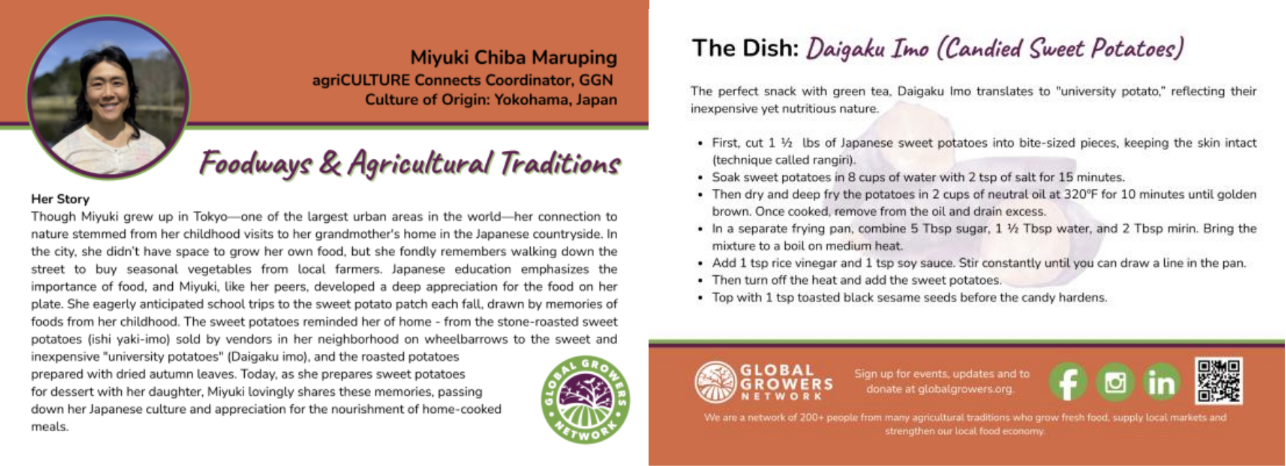
Following each interview, the stories were summarized to recipe cards, which were presented at GGN’s Fall Festival at Rockdale Farm. A celebration of agricultural togetherness, the Fall Festival was a beautiful culmination showcasing the work of local farmers and craftspeople. Several talks, such as a soil mixing workshop and a kitchen garden demonstration, peppered the afternoon and allowed the talented farmers of GGN to share their knowledge with the community. A coal pit where attendees could roast their own sweet potatoes was a crowd favorite, as was the rousing dance and drums performance by the African dance group Giwayen Mata, which had the entire crowd cheering and dancing together. The booth with the recipe cards and stories was a standout in the festival, with many attendees flocking over to learn more about the incredible stories behind the faces of the festival. As Demetro mentioned in his interview, “food is a universal language,” and we witnessed how this connection over a beloved crop instantly brought people together at the festival.
The stories uncovered through this partnership demonstrate the resilience of culinary heritage spanning many continents and generations. We had the pleasure of hearing four very unique interpretations and utilizations of the sweet potato crop, signifying how foodways instill emotional and nutritional significance and foster connections among global communities.
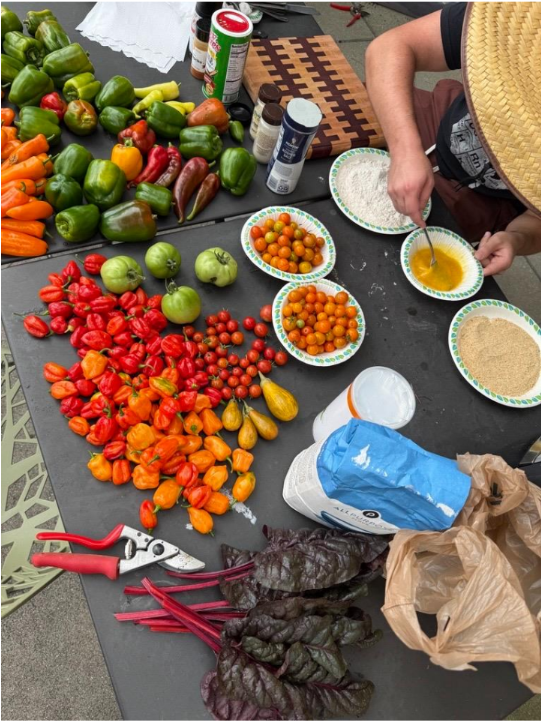
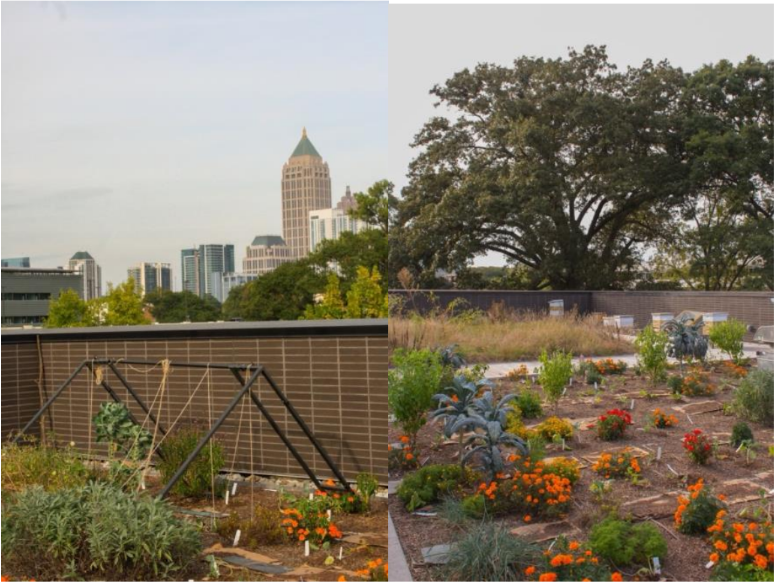
Back at Georgia Tech, we in the Urban Agriculture student group maintain the rooftop garden at the Kendeda Building where we grow and cook with our own produce, including tomatoes, chard, kale, and, of course, sweet potatoes. We have concocted recipes ranging from jalapeño poppers to buchujeon and compiled our own cookbook to pass along the cherished recipes of those who help maintain our shared space. Our teamwork reflects the value of collective stewardship, and we enjoy the literal fruits of our labor as we build traditions together while cooking in the garden. This collaboration with Global Growers Network further demonstrates the strength of community connections through food, which we experience every day we are in the garden together. We value our community partnerships as opportunities to learn, connect, and grow together through food.